
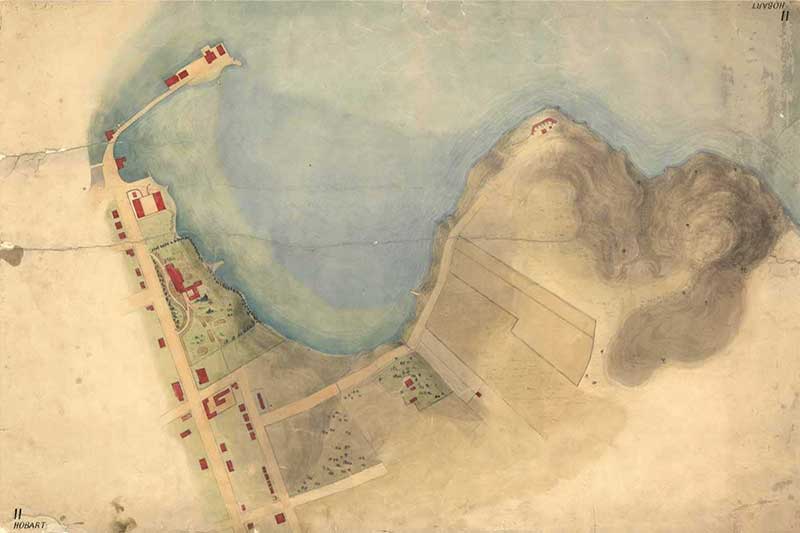
The European settlement of Tasmania had a false start, and it happened at Risdon Cove in suburban Hobart in 1803 on the eastern bank of the River Derwent. Lieutenant John Bowen was sent to establish a settlement in Van Diemen's Land (Tasmania) with 48 free settlers. The Lady Nelson anchored at Risdon in September 1803; it was followed five days later by the whaler Albion with Lt. Bowen on board. The Risdon colony struggled on for some months with Collins and Bowen in disagreement as to who was in charge and which was the official colony. Eventually Risdon Cove was abandoned. A cairn marks the spot where settlement took place.
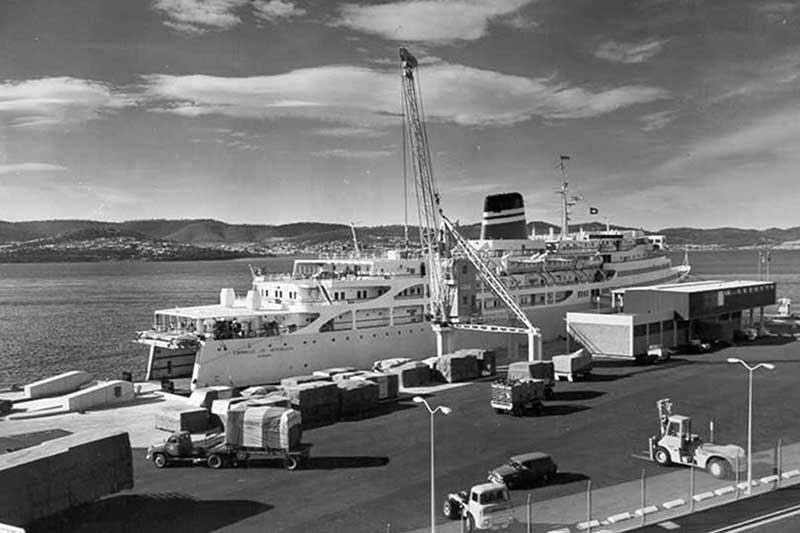
Over the years, two attempts have been made to operate a car and passenger ferry service between Sydney and Tasmania, but with limited success. The first was with the Empress of Australia, which was custom built at Sydney's Cockatoo Island Dockyards in 1962 for Australian National Line, to provide a ferry serice between Sydney (the terminal was at Morts Bay, Balmain) and Hobart via Devonport and Burnie.

The original bridge which spanned the Derwent River where the Tasman Bridge now stands between 1943 and 1964 is unique in that it was one of if not the only permanent floating road bridge ever built in Australia. The first plans for bridging the Derwent River close to Hobart date back to 1832 but a hurdle to overcome would always be the width of the river here. A solution birthed back then and used in the original Hobart Bridge many years later came from Captain Jacobs who proposed a floating timber structure consisting of short spans linked by barges anchored across the river.
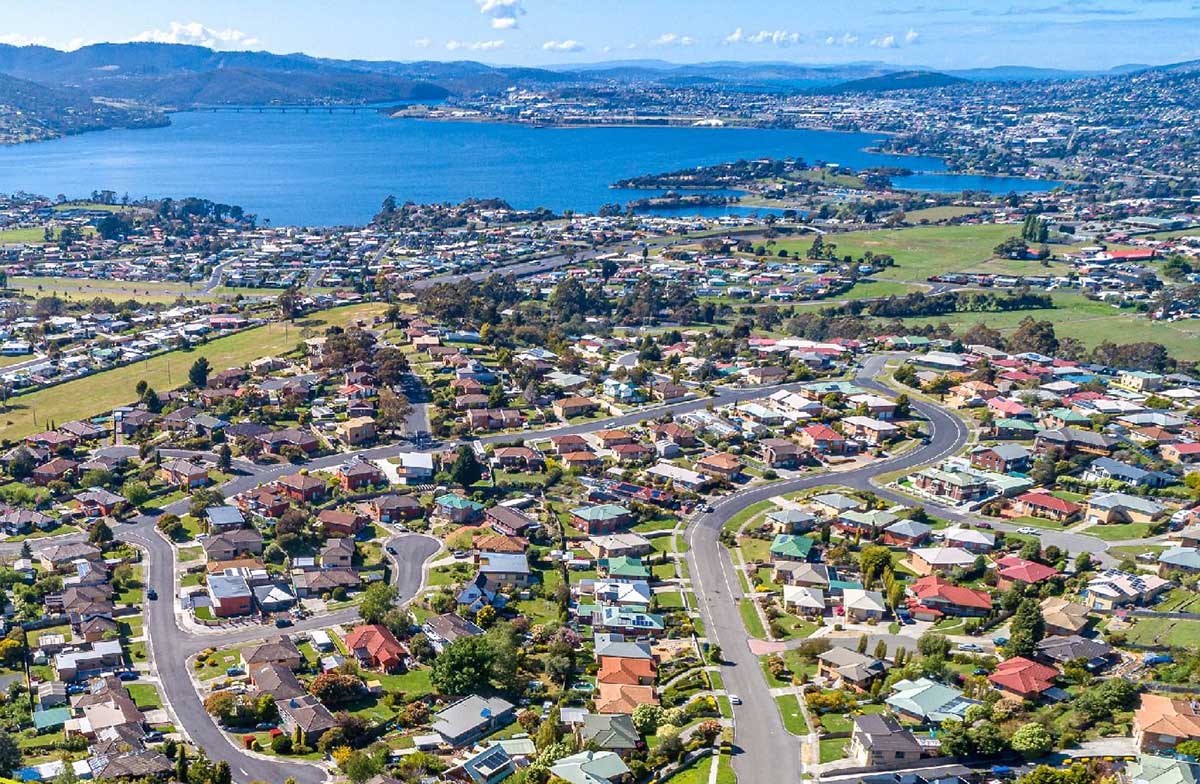
Claremont owes its origins to the Cladbury chocolate factory at the locality. After World War I, British confectionery manufacturer Cadbury merged with J S Fry and then Pascall to become Cadbury-Fry and Pascall. The new company, ready for expansion internationally, decided to build a factory in Australia. The Cadbury complex at Claremont on Windemere Bay and suburb where the company's workers would live is built on the same model as Bournville, Cadbury's original model village - a garden suburb of winding avenues and cul-de-sacs that would 'alleviate the evils of modern more cramped living conditions'.
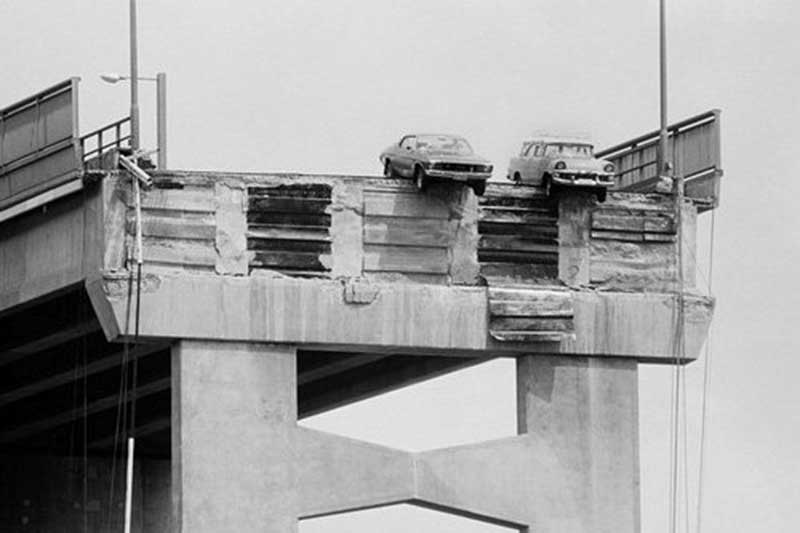
On the evening of Sunday, 5th January, 1975 at 9.27 pm, the bulk ore carrier "SS Lake Illawarra" loaded with zinc concentrate, drifted out of the main navigation lane and collided with the Tasman Bridge. Two piers collapsed along with 127 metres of decking. It was drizzling and after dark, so visibility was poor. Bridge traffic kept coming over the rise in the bridge and hurtling into the river below. One driver became aware of the collapsed span. He stopped his car and tried to warn others, but most of them took no notice and kept going to their deaths. Four cars ran over the gap into the Derwent, five occupants died, while several others managed to escape from their vehicles which were hanging on the edge of the gap. Seven crewmen from the "SS Lake Illawarra" also lost their lives.
© All rights reserved | Design by W3Layouts