
Beechford, Tasmania
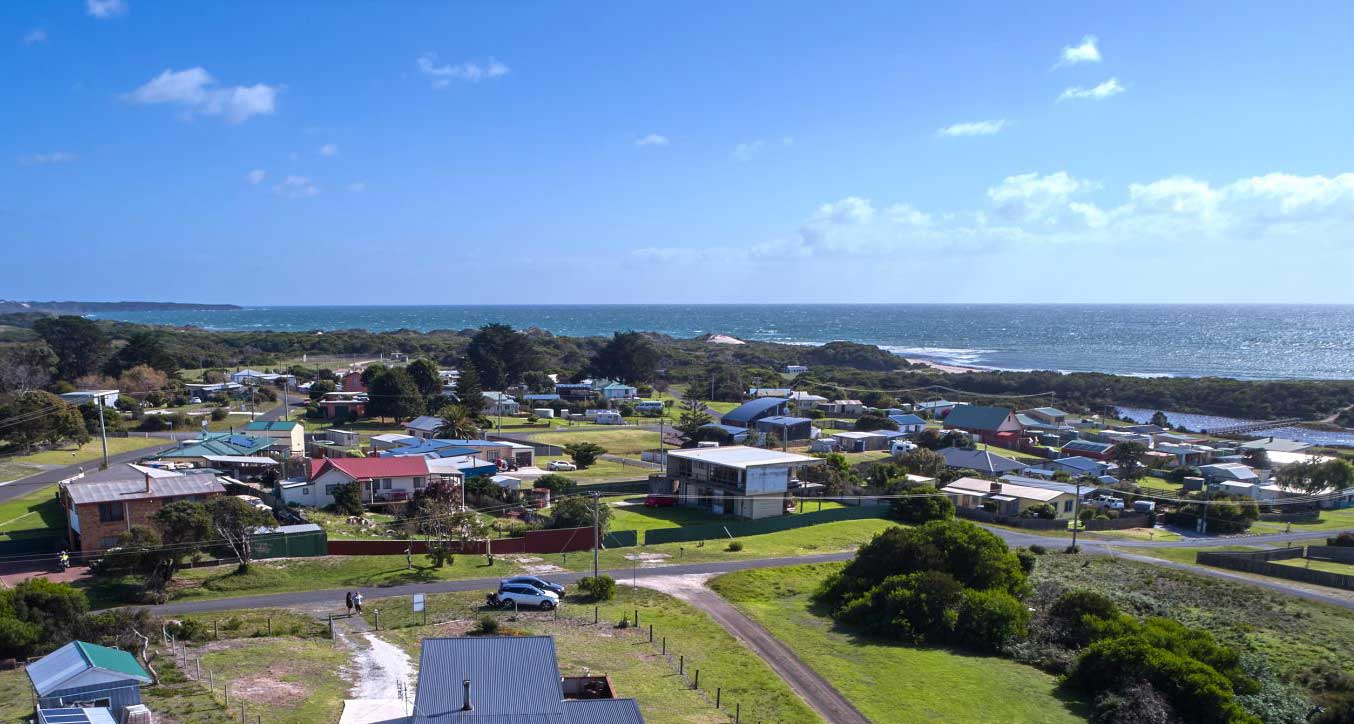
Beechford is a small beach side village, just 13.6 kilometres away from Georgetown and 48.0 kilometresnorth of Launceston. Beechford is also the place where the Curries River joins up with the Tasman Sea in Bass Strait. The village is surrounded by farmland, and land administered by Crown Lands, the Department of Defence, and Parks and Wildlife, creating a natural corridor of unbroken sea views. This beautiful part of Tasmania, with its warm, relatively dry micro-climate and stunning beach and conservation areas, is still "undiscovered" by tourism, leaving visitors to enjoy the area relatively undisturbed.
Once a populated town with its own small shop (closing some time during the mid 1980s) when there were many more permanent residences, Beechford now has no store: the closest shops are in the regional centre of George Town.
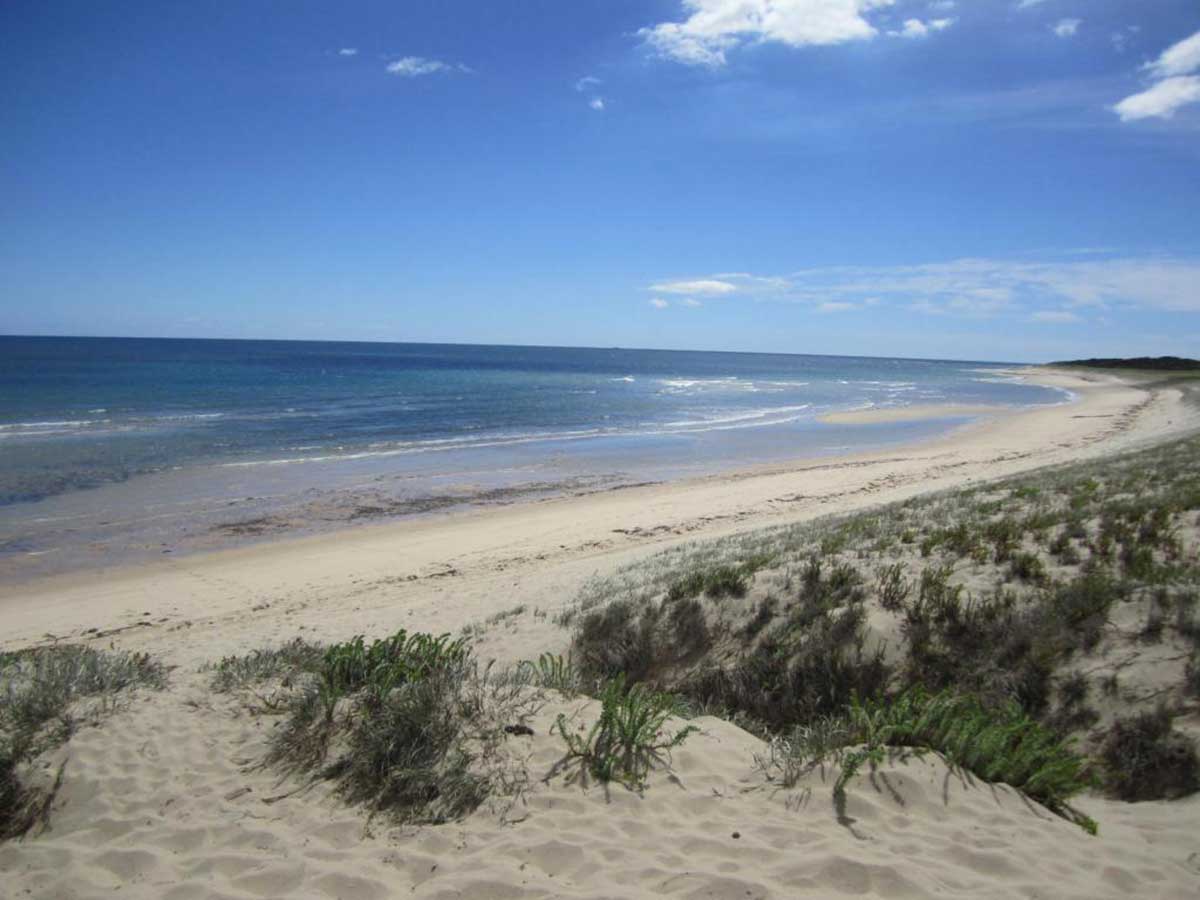
Beach access is via a small sand track near the now-defunct football oval, or over a small foot bridge that crosses a tidal estuary. The coastline and white sandy beach is used for walking, mountain biking, snorkeling, kite surfing, swimming and fishing. Local swimming conditions, typical of the central coast of the Bass Strait, are normally calm and relatively warm, though conditions should be checked with Beachsafe.org. Kite surfing conditions are excellent due to the laminar air flow produced by the positioning of the beach in relation to Low Head.
Since the area has been declared a part of the Five Mile Bluff conservation area, visitors are advised that use of vehicles on the beach, except to launch and retrieve a vessel, is now illegal. The beach and coastline is monitored by a Parks and Wildlife ranger.
Other amenities include public toilets, a small children's playground and a free camping area. There are some limits to the area were camping and fires are permitted, but these are clearly signposted.
A Soldier Land Settlement Scheme was created to help settle returned soldiers on the land after the First and Second World Wars. “The Returned Soldiers’ Settlement Act, 1916,” and the amending Acts of 1917 and 1918, make provision for the Settlement on land in the State of Tasmania of any returned soldiers with satisfactory discharges, and who have had previous farming experience, desirous of following this occupation. The scheme was doomed to fail by too lenient qualification rules, unworkable financial obligations and undue political influence. Little practical was done after 1926 apart from shoring up the few remaining settlers. Soldier Settlement Road recalls the project.
Stony Head Military Training Area
The Australian Army has used Stony Head near the town as an artillery range since 1966. In 1969 a dirt airstrip was constructed capable of landing Royal Australian Air Force Caribou transport planes that was later extended to accommodate the C-130 Hercules to provide supply missions to the range. It has been used occasionally by local flying clubs via arrangement with the military. The host unit for the range was 16th Field Battery, Royal Australian Artillery, an Australian Army Reserve unit based in Tasmania until 2013. Maintenance and facility construction is undertaken by the Royal Australian Engineers. It has also been used by the 2nd Force Support Battalion reserves and local Australian Army Cadets units.
The turnoff to Beechford is found on the Georgetown to Bridport Road through Lefroy, a small settlement that was once an important gold mining centre in Tasmania. Alternately, visitors may take Dalrymple Road (C809) from the East Tamar Highway (A8), or turn east from A8 just before Hillwood onto Bullocks Head Road, which leads directly to the Bridport Highway and then intersects with the Beechford turnoff. Beechford itself lies just south of the military training area of Stony Head.
Tenth Island
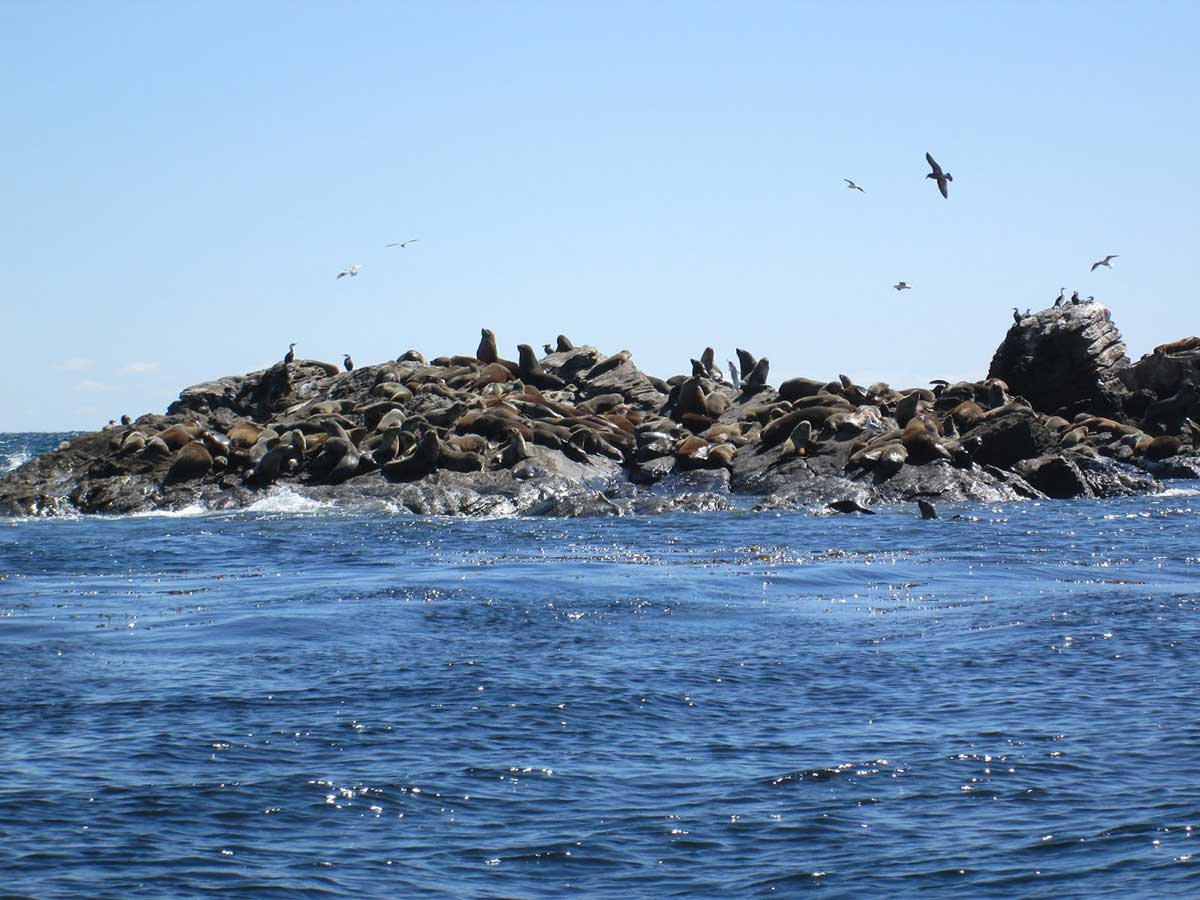
Tenth Island, also known as Barrenjoey, is part of the Waterhouse Island Group. Situated 6 kilometres from mainland Tasmania, it is accessible from the northern coastal towns of Low Head, George Town, Lulworth and Weymouth. It is home to a seal colony which in turn has made it a hunting grounds for great white sharks. A local woman was taken by a shark in 1993 whilst scuba diving in this area, so it pays to be cautious. It is a very popular spot for fishing and also kayaking.
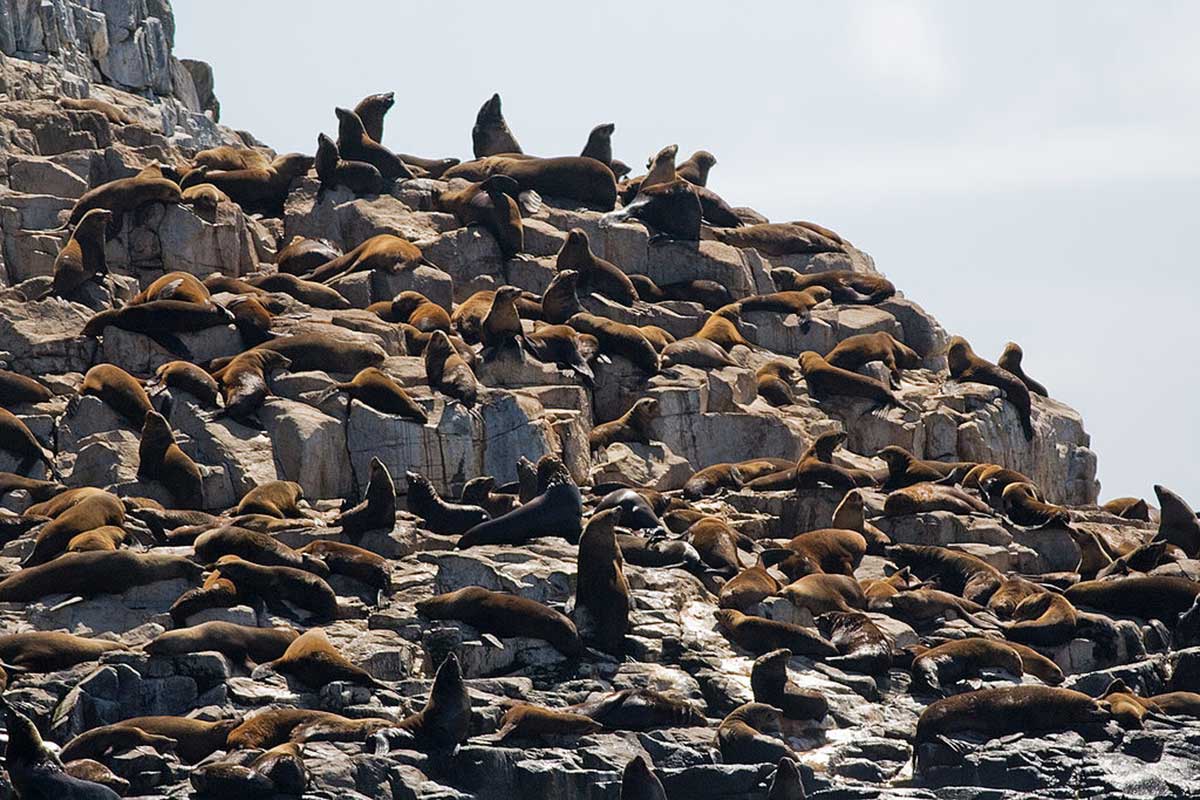
Tenth Island, Moriarty Rocks, Judgement Rocks, West Moncoeur and Reid Rocks Nature Reserves are significant as Tasmania's only Australian fur seal breeding colonies, which provide approximately half the global habitat for the species. The mean annual seal pup production is 2150 with a range of between 1315 and 2932. Tenth Island is a target for one day trippers and sightseers, who want to see a seal colony. There is currently at least one nature-based tourist operator who regularly takes seal watching trips to Tenth Island.