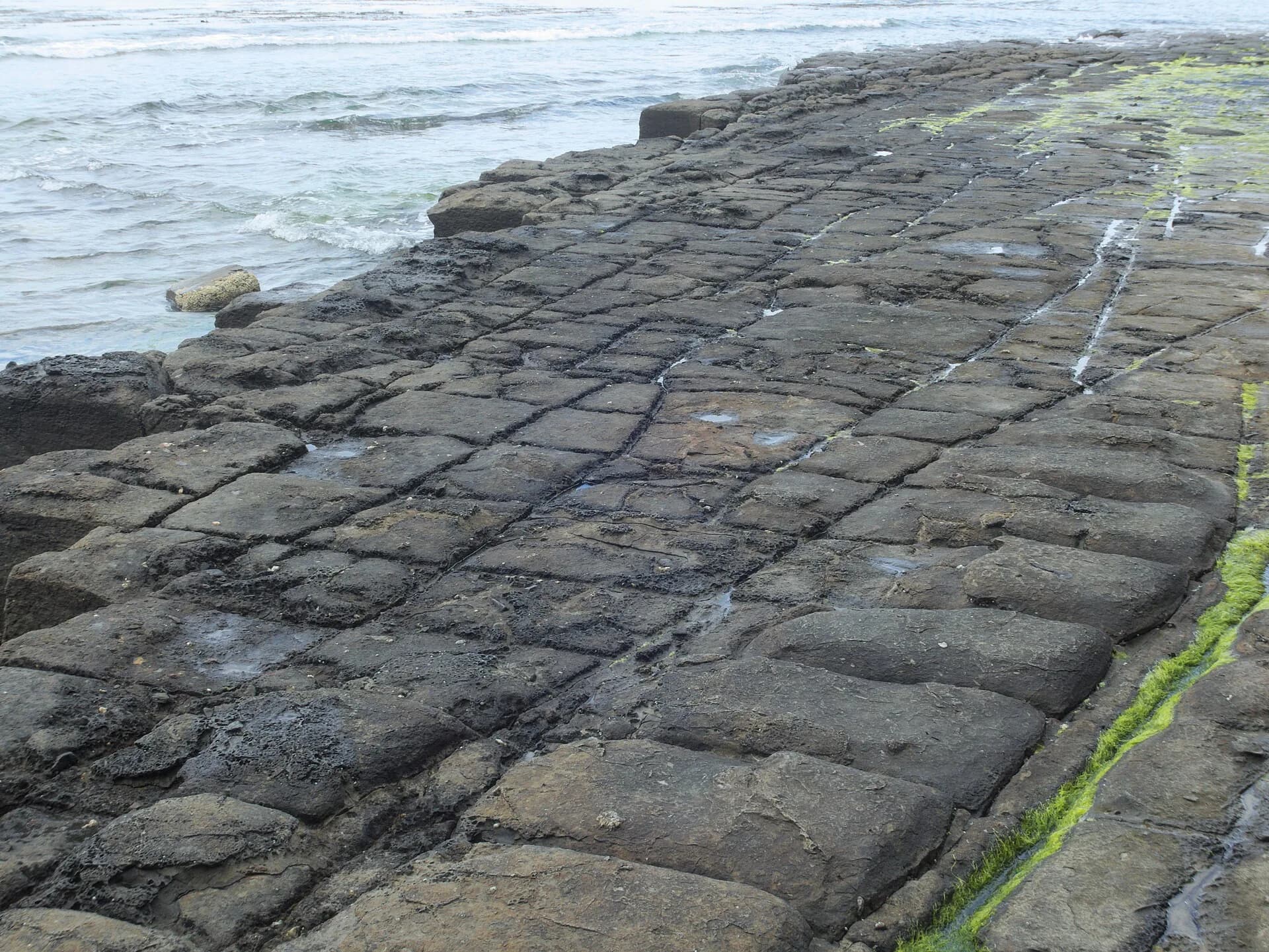

Tessellated Pavement is a siltstone shore platform at Eaglehawk Neck cut by near-rectangular joints. Erosion along those fractures creates the tiled appearance, with different surface forms developing where saltwater and spray act on the rock.
How the pattern formed
The straight cracks are geological joints, not human paving. At platform edges, salt crystallisation and wave action can leave raised rims. In wetter parts, water and abrasion can deepen the centres into pan-like shapes.
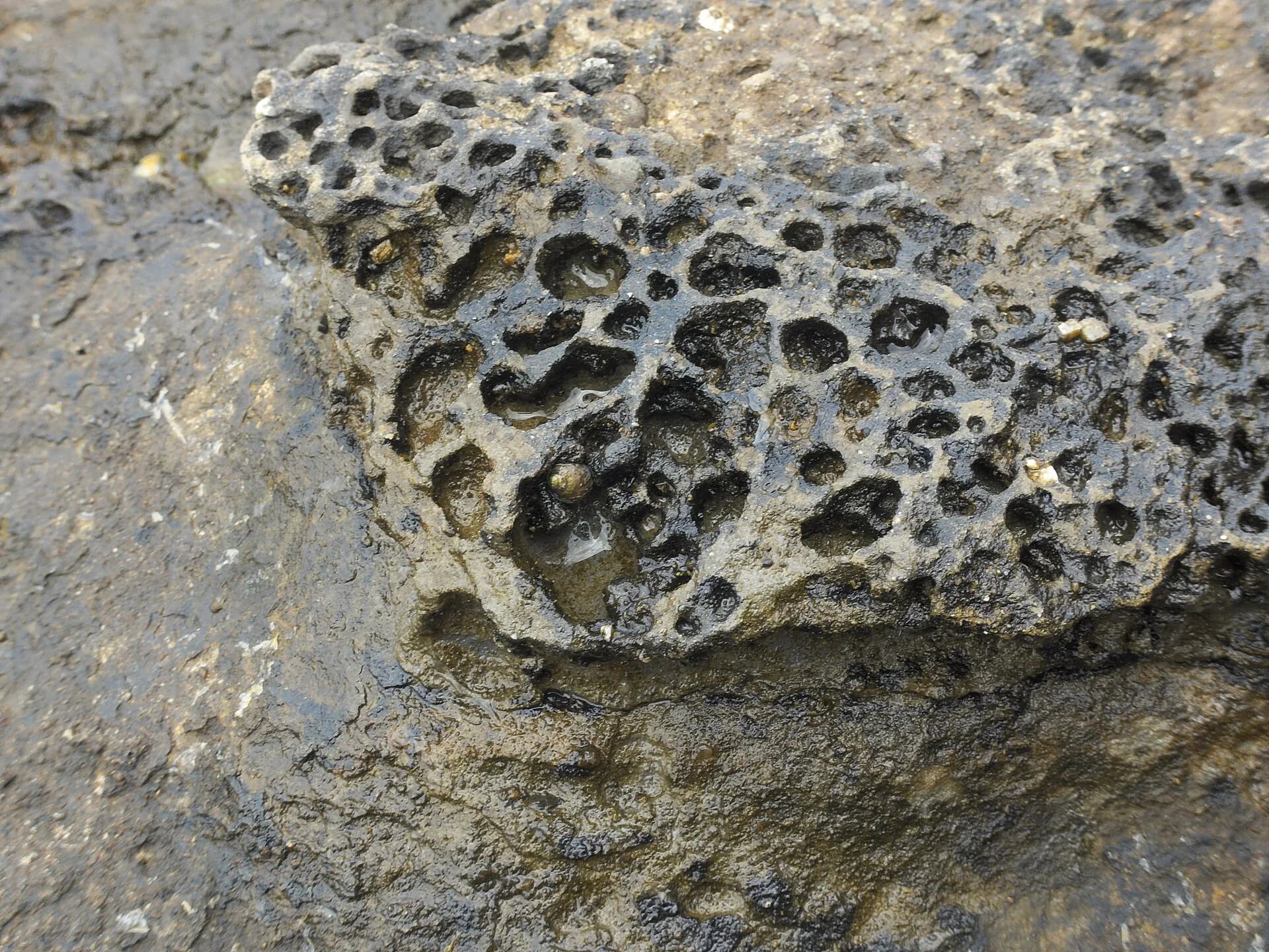

The best view depends on conditions
Lower water may expose more pattern, while wet surfaces increase reflections and slip risk. Never trade safety for a photograph. Swell can reach apparently dry rock without warning.
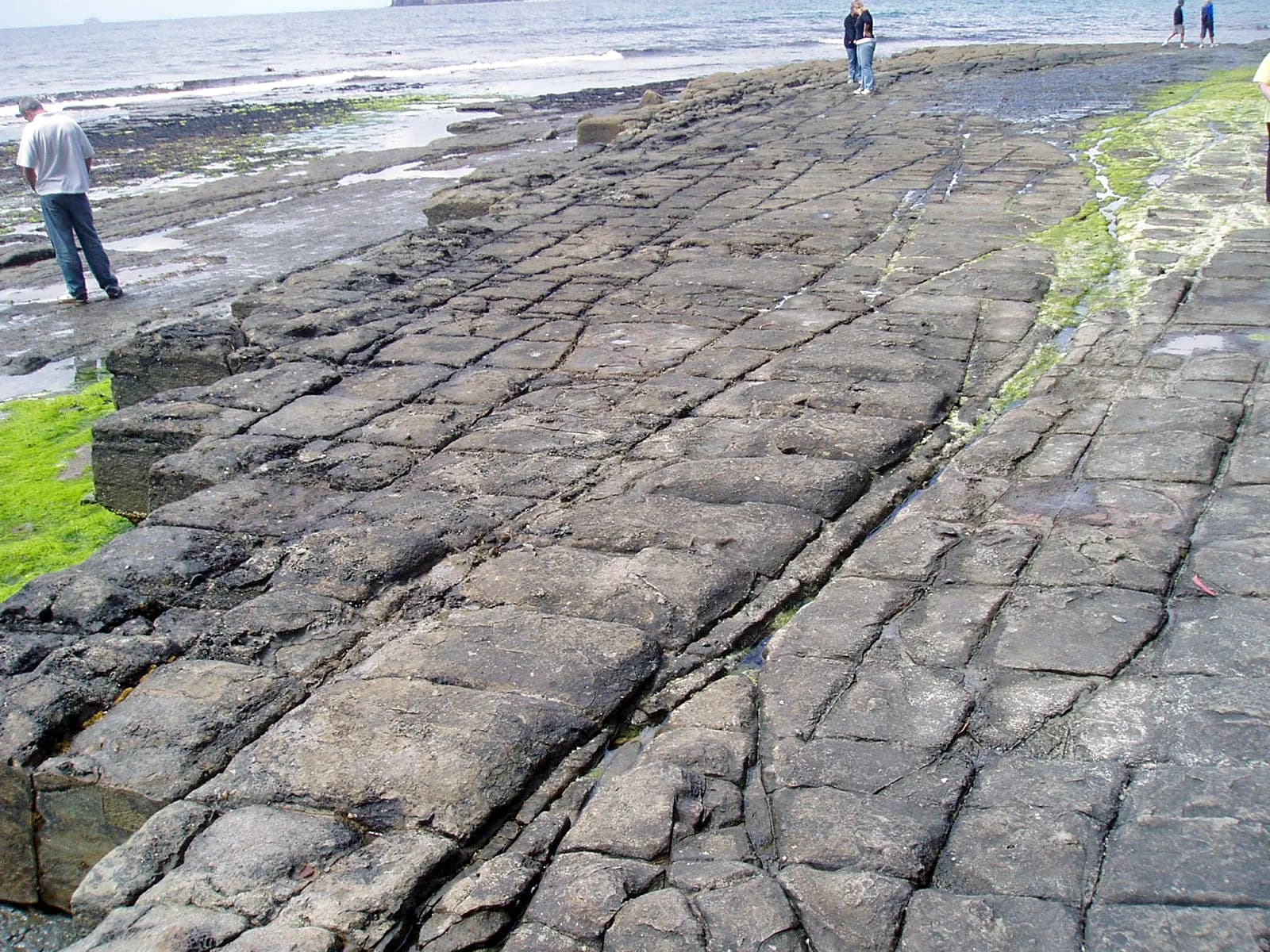

Access and reserve rules
Use the formed path from the signed parking area and stay off unstable edges. Parks Tasmania permits dogs in some linked reserves under specific conditions, so check the current map and keep control where required.
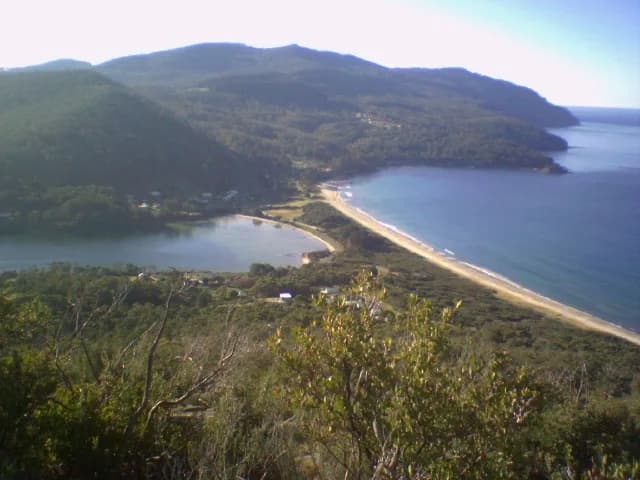

The site fits easily with Eaglehawk Neck. For other coastal landforms, use the Tasman National Park guide.